



(402) 387-2844

Ainsworth Bulldogs are D1-3 District Runner-Up

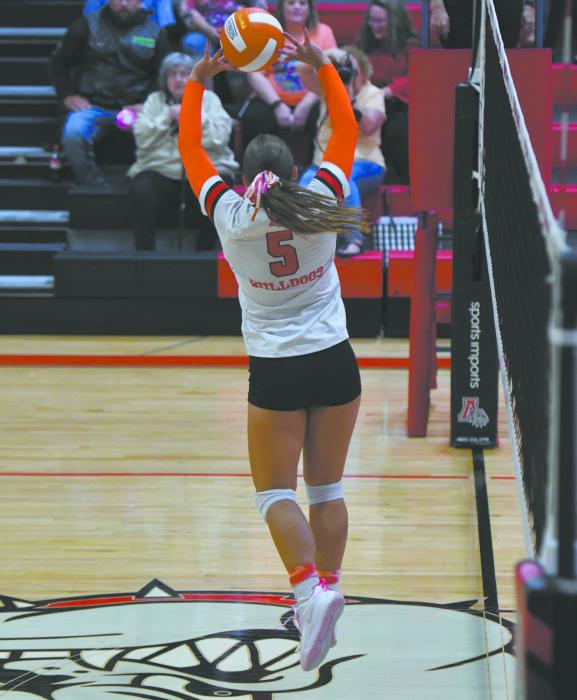
The Ainsworth Bulldogs competed in the D1-3 District Final and fell to Lourdes Central Catholic 52- 67 in the District Final in Norfolk on Monday, February 28th and ended their bid to qualify for the NSAA State Basketball Tournament. Ainsworth was seeded #3 and LCC was #14.

Congratulations to the Ainsworth

Congratulations to the Ainsworth High School’s Girls and Boys Basketball Teams for Qualifying for the District Final Basketball Tournaments.

2021 Year-In-Review - June and July

June 2021 The Committee for the Brown County Hospital Community Garden planted their garden for the third year. A new sign and produce stand were put in during spring.

Embracing the Equinox

Depending on your locale, equinoxes can be seen as harbingers of longer nights and gloomy weather, or promising beacons of nicer temperatures and more sunlight. Observing and predicting equinoxes is one of the earliest skills in humanity’s astronomical toolkit. Many ancient observatories around the world observed equinoxes along with the more pronounced solstices. These days, you don’t need your own observatory to know when an equinox occurs, since you’ll see it marked on your calendar twice a year! The word “equinox” originates from Latin, and translates to equal (equi) night (-nox). But what exactly is an equinox? An equinox occurs twice every year, in March and September. In 2022, the equinoxes will occur on March 20th, at exactly 15:33 UTC (or 11:33 a.m. EDT), and again on September 23rd, at 01:04 UTC (or September 22nd at 9:04 p.m. EDT). The equinox marks the exact moment when the center of the Sun crosses the plane of our planet’s equator. The day of an equinox, observers at the equator will see the Sun directly overhead at noon. After the March equinox, observers anywhere on Earth will see the Sun’s path in the sky continue its movement further north every day until the June solstice, after which it begins traveling south. The Sun crosses the equatorial plane again during the September equinox, and continues traveling south until the December solstice, when it heads back north once again. This movement is why some refer to the March equinox as the northward equinox, and the September equinox as the southward equinox. Our Sun shines equally on both the Northern and Southern Hemispheres during equinoxes, which is why they are the only times of the year when the Earth’s North and South Poles are simultaneously lit by sunlight. Notably, the length of day and night on the equinox aren’t precisely equal; the date for that split depends on your latitude, and may occur a few days earlier or later than the equinox itself. The complicating factors? Our Sun and atmosphere! The Sun itself is a sphere and not a point light source, so its edge is refracted by our atmosphere as it rises and sets, which adds several minutes of light to every day. The Sun doesn’t neatly wink on and off at sunrise and sunset like a light bulb, and so there isn’t a perfect split of day and night on the equinox - but it’s very close.

This Week In Brown County History

The Brown County Beet Sugar Association held a meeting and adopted a constitution. The Ainsworth Beet Growers’ Society was granted a charter as well, and named officers. There were hopes of a beet factory coming to the territory, and “no town for a radius of 100 miles is better suited to have it than Ainsworth.”

Spring Planting Alfalfa

Alfalfa can be successfully seeded in the Spring or Fall depending on field weed pressure; moisture conditions; and timing. Once established, perennial alfalfa plants can complete well with weeds. However, first year stand establishment can be a challenge when moisture is limited; and weed pressure is high.

Do you like BBQ?

Results

I love it
100% (2 votes)
I really love it!
0% (0 votes)
Total votes: 2

Google Map